

When a child is diagnosed with dyslexia, one question often weighs heavily on parents: Will this hold them back for the rest of their life? Dyslexia can make learning more challenging. It can shake confidence. It can create a sense of being different. But it does not determine a person’s destiny. Many public figures have spoken openly about their dyslexia. Their words matter because they do not deny the struggles. They speak about hard work, adaptation, sometimes even pain. Most importantly, they show that another narrative is possible. Here are ten inspiring voices, placed back into context.
Erin Brockovich
Attorney and environmental activist
“When someone helping you gets frustrated, don’t let them. Take a step back, because you can’t learn anything under pressure. And don’t worry about the label dyslexia.”
📰 Source : USA Today interview, cited by Understood.org
Scott Sonnon
World champion martial artist and author
“I didn’t succeed despite my dyslexia, but because of it. It wasn’t my deficit, but my advantage. It forced me to work smarter and more creatively in reading, writing, and speaking. I would never wish to be anyone other than myself.”
📰 Source : Public testimony relayed by Understood.org
Princesse Beatrice d’York
Member of the British royal family
“Dyslexia is not a pigeonhole that says you can’t do anything. It is an opportunity to learn differently. You have magical brains, they just process information differently. Don’t let that hold you back.”
📰 Source : HELLO! Magazine
Steven Spielberg
Academy Award winning director
“It is more common than you can imagine. You are not alone. You will have this your whole life, but you can dart between the raindrops to get where you want to go. It will not hold you back.”
🎙 Source : Interview relayed by Friends of Quinn
Bella Thorne
Actress
“I have learned to live with dyslexia and make the best of it. I read all the time. When I was diagnosed, I was told to read everything I saw, from street signs to cereal boxes. My mom was not allowed to read the menu for me. I had to read it to her. It helped a great deal. I read well now, but it is something I work on every day.”
🎙 Source : Interview published on DoSomething.org
Rick Riordan
Author of the Percy Jackson series
“Dyslexic kids are creative. They think differently because they don’t see or solve problems the same way other kids do. Unfortunately, they are sometimes labeled as lazy or unmotivated in school. They aren’t. Making Percy dyslexic was my way of honoring the enormous potential of these children. Being different is not a flaw. Sometimes it is a sign of exceptional talent.”
📰 Source : RickRiordan.com
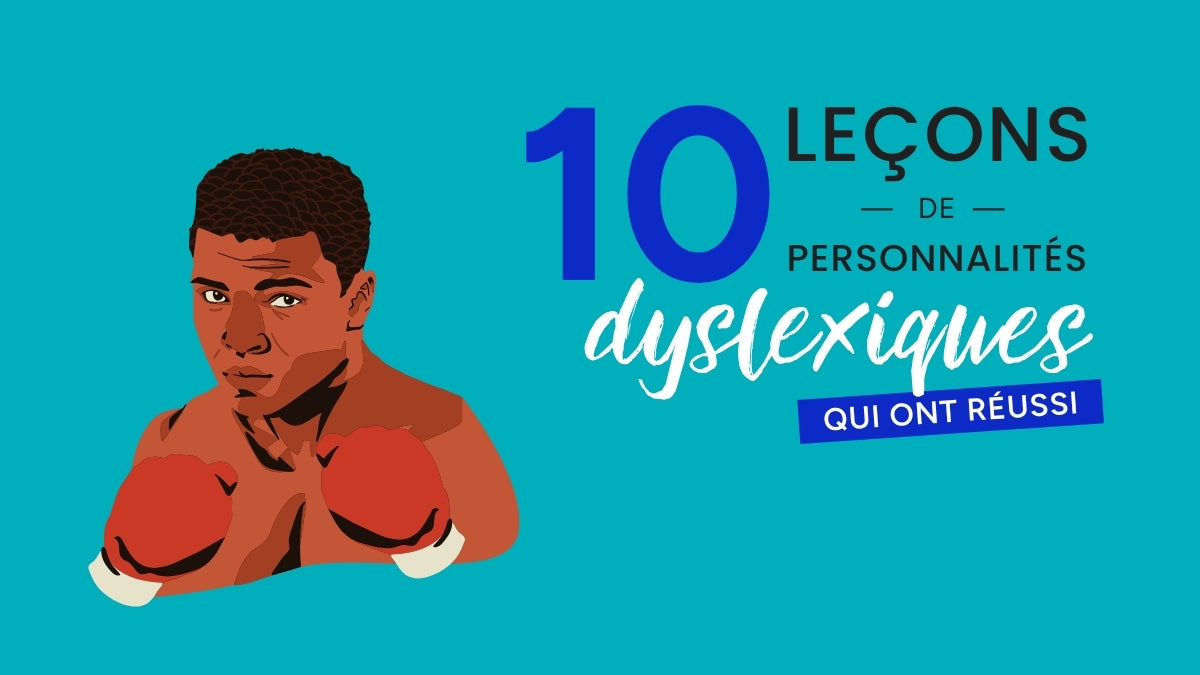
Muhammad Ali
Boxer and world champion
“I hated every minute of training. But I said: don’t quit. Suffer now and live the rest of your life as a champion.”
Muhammad Ali often spoke about his struggles in school and his complicated relationship with reading. At a time when dyslexia was rarely diagnosed and poorly understood, his learning difficulties were never clearly identified. In several interviews and biographies, it is mentioned that he left school with very limited reading skills. Yet this challenge did not prevent him from becoming one of the most iconic athletes of the 20th century. This quote, frequently attributed to Ali, reflects a powerful idea: success rarely comes from ease. It is built through persistence, effort, and the ability to keep going despite obstacles. For many dyslexic children and adults, this message resonates deeply. Academic difficulties do not define a person. They can also become a source of determination and strength.
📰 Source : Quote attributed to Muhammad Ali, widely cited in interviews and speeches, including The Greatest: My Own Story.
Stephen J. Cannell
Emmy Award winning television producer
“The real fear I have for dyslexic people is not that they struggle with reading or spelling. It is that they will quit on themselves before they get out of school. Parents have to create victories whenever they can. You want your dyslexic child to be able to say, yes, reading is hard, but I have other strengths.”
🎙 Source : Interview published in Newsweek
Dav Pilkey
Author of Captain Underpants
“Not everybody thinks the same way. Being book smart has its advantages, but common sense and creativity are just as important, maybe even more so.”
📰 Source : Interview USA Today.
Caitlyn Jenner
Olympic decathlon champion
“If I wasn’t dyslexic, I probably wouldn’t have won the Games. If reading had come easily, sports would have come easily too. I never would have realized that the way you get ahead in life is hard work.”
🎙 Source : Interview ESPN
Dr Sally Shaywitz
Yale Center for Dyslexia and Creativity
“Science has moved forward rapidly so that we now possess reliable data to define dyslexia. For a student, knowing he or she is dyslexic is empowering. It provides self understanding and awareness of what is needed to succeed.”
📰 Source : Testimony before the Committee on Science, Space, and Technology, U.S. House of Representatives
What These Voices Teach Us
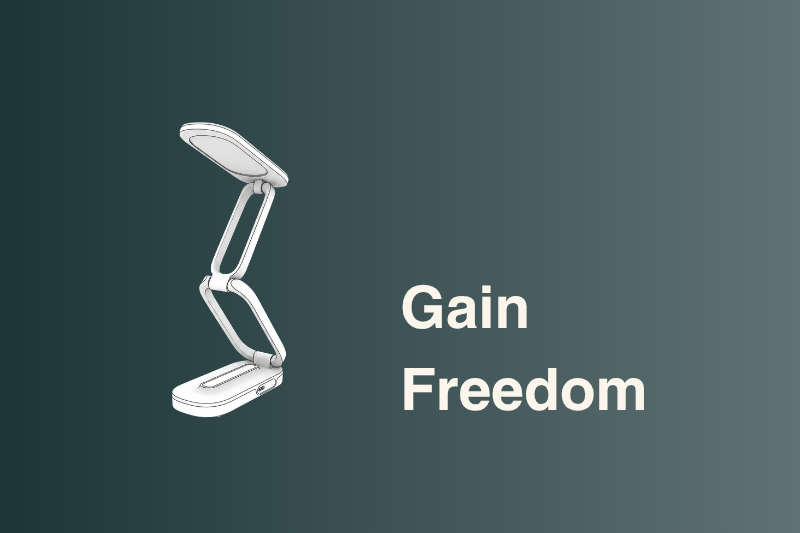
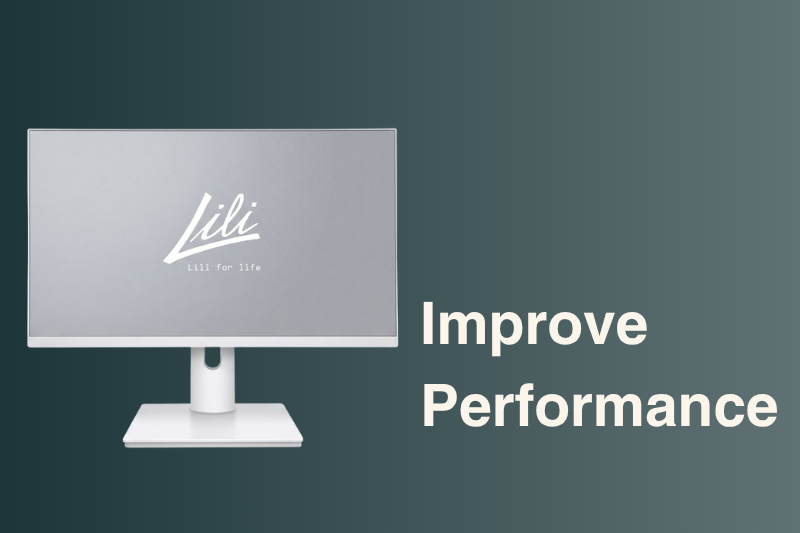
None of these individuals describe dyslexia as a magical superpower. They speak about adaptation. Effort. Creativity. Resilience. Dyslexia does not disappear. But it can be supported. Structured literacy instruction, early identification, and school accommodations are essential. Increasingly, research is also exploring the reading environment itself and the cognitive fatigue some children experience. Adjusting that environment can make a meaningful difference. Modifying lighting conditions, reducing certain visual contrasts, and offering more comfortable reading supports may help some children focus more on comprehension rather than visual strain. This is the approach behind certain emerging technologies such as the Lili lamp and Lili screen. Their purpose is not to treat dyslexia, but to optimize reading conditions in order to reduce fatigue and improve comfort. They represent one assistive tool among others, supporting autonomy. At its core, the shared message of these testimonies is simple. Dyslexia does not define a child. With appropriate support, a nurturing environment, and the right tools, children can develop their strengths and carve their own path forward.