When Reading Feels Like a Struggle
When a child is diagnosed with dyslexia, reading often becomes more than just learning letters and sounds.
It becomes emotional.
Some children start to avoid books. Others lose confidence. Many begin to believe they are “not good at school.”
As a parent, this can be difficult to watch.
You want to help. You want to reassure.
But sometimes, what helps most is not another exercise or method.
It’s a story.
A story where your child recognizes themselves.
A story that shows them they are not alone.
A story that quietly changes the way they see their own abilities.
Here are five books that do exactly that.
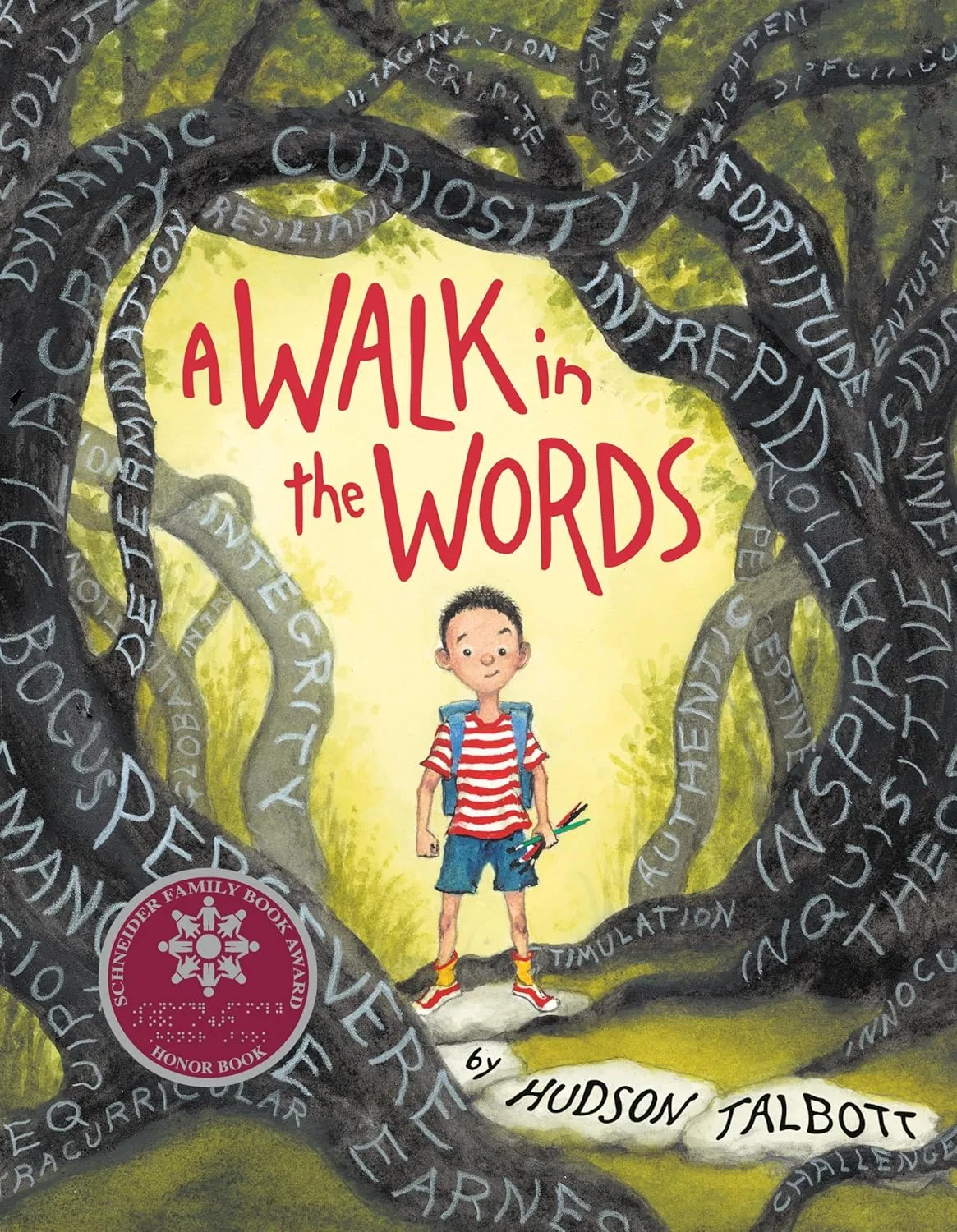
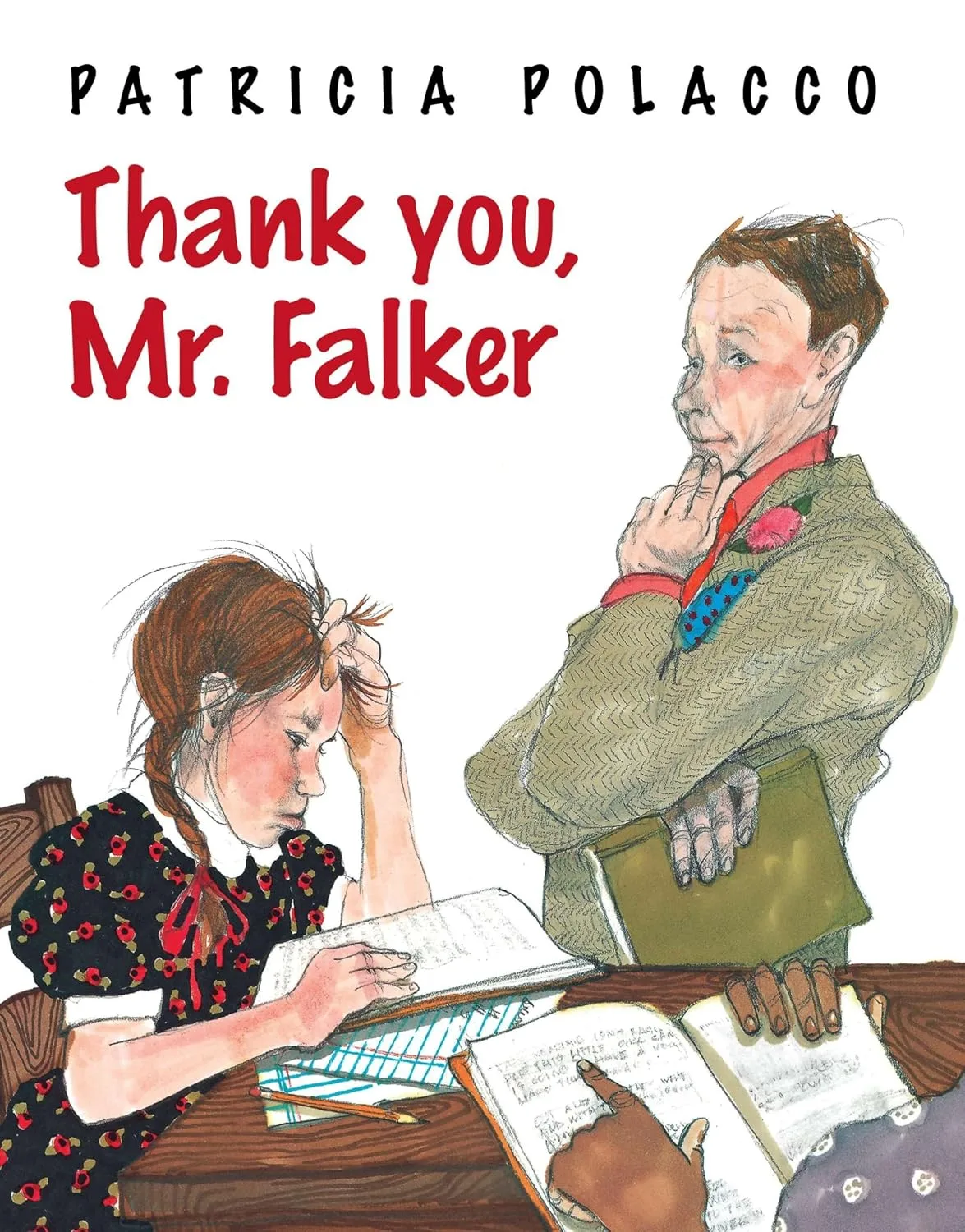

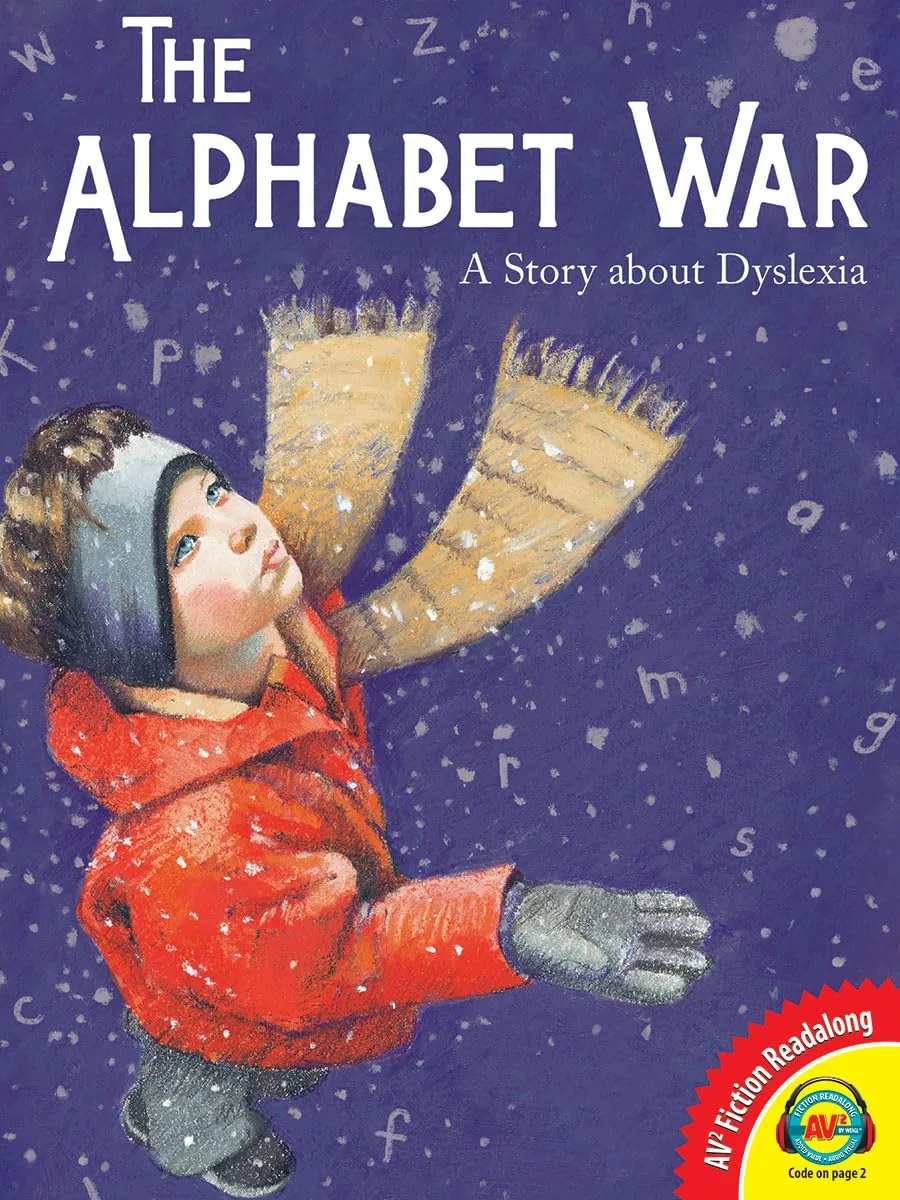
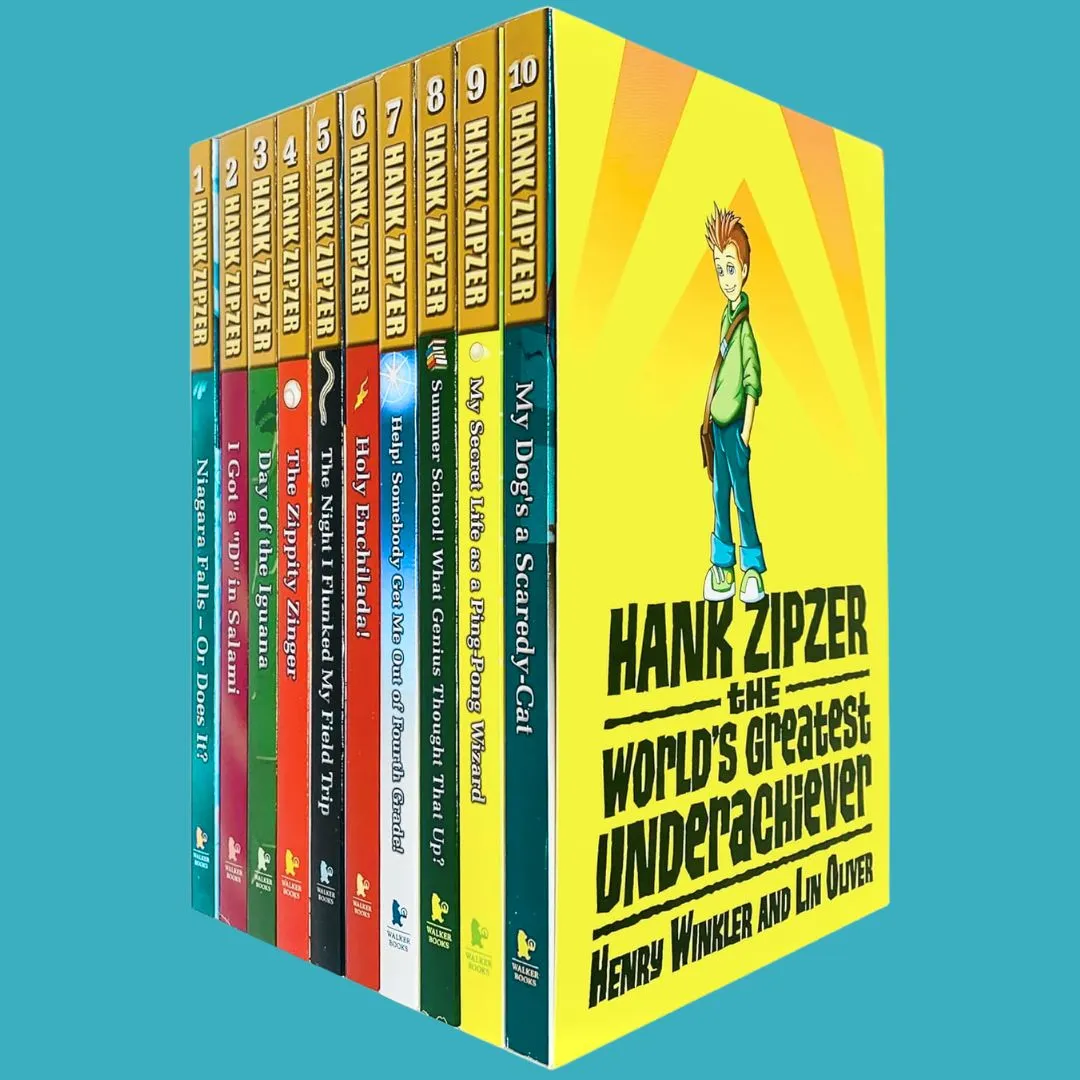
What Makes a Book Helpful for a Dyslexic Child?
Not all books are equally helpful.
The most impactful ones tend to:
- create identification
- reduce feelings of isolation
- offer a positive narrative
- avoid judgment
- build confidence gradually
Some children also benefit from adapted formats:
- simplified layouts
- larger spacing
- audiobooks
But beyond format, what matters most is how the child feels while reading.



Reading Is Not Just About Decoding
For many children with dyslexia, reading requires more effort.
More concentration. More energy.
Over time, this can lead to fatigue and discouragement.
This is why the reading environment matters.
When visual strain is reduced, children can focus more on meaning and less on effort.
Solutions like the Lili lamp and screen are designed to support this.
They do not change how a child learns.
They help make reading more comfortable and less exhausting.
Final Thoughts
A good book does more than tell a story.
It can shift how a child sees themselves.
It can replace doubt with understanding.
And frustration with confidence.
Because the goal is not just to help a child read.
It is to help them believe that they can.
🔍 FAQ
What are the best books for dyslexic children?
Books that combine relatable characters, emotional storytelling, and positive messages are the most effective.
At what age should children with dyslexia start reading supportive books?
As early as 5 or 6, with picture books that explain and normalize their experience.