
The diagnosis has just come in. That same evening, once the children are in bed, you take your phone and type what is dyslexia into Google. You may have already done it. Many parents do. And what appears first is anything but reassuring.
The organization Made By Dyslexia has set itself a challenge: to change what families discover first on Google. Their weapon: an eight-minute animated short titled What is dyslexia? It’s the perfect film to watch as a family during these holidays.
DYS-qualified Google: the shock of the first results
Disorder, deficit, persistent difficulty…
The initial online answers focus mostly on what is wrong. They aren't false, but they only tell part of the story. And when it is a child doing the searching, that part weighs heavily.
Made By Dyslexia, an international organization founded and led by dyslexic people, asked the individuals most affected by the issue. The result: 9 out of 10 dyslexic children say these descriptions make them feel worried, or even hopeless about their future. Because they speak of their difficulties, never their strengths.
When you are 9 or 10 years old and have just learned you are dyslexic, you are looking to understand who you are. There are better ways to start than with a list of deficits.
An animated film to hack the answer
What is dyslexia? is an eight-minute animated short film directed by Kyra Bartley for the organization Made By Dyslexia and released in April 2026.
Its goal is as ambitious as it is clever: to change what Google displays. In principle, this is impossible. The large box that appears at the top of the results cannot be bought. It is earned based on the popularity of content, reviews, and press coverage.
The Made By Dyslexia team therefore had a brilliant idea: to produce a real film, with a real release, real reviews, and a famous cast. And to give it the exact title that families type into search: What is dyslexia?
The film premiered in April 2026 at the BFI IMAX in London, the largest screen in the United Kingdom. It is also highlighted on the YouTube Kids homepage. The voice cast includes Jeremy Irons as the inventor and Liv Tyler, two actors with a personal connection to dyslexia. Lola, the heroine, is played by Hope Day, a young English actress who is dyslexic herself. Even the music was written by two dyslexic composers.
This October, the organization is going further. They want the film to be seen on 100 million screens worldwide, in schools, businesses, and homes. Every view, share, and comment helps it climb a little higher in the results.
Lola in the land of DYS-wonders
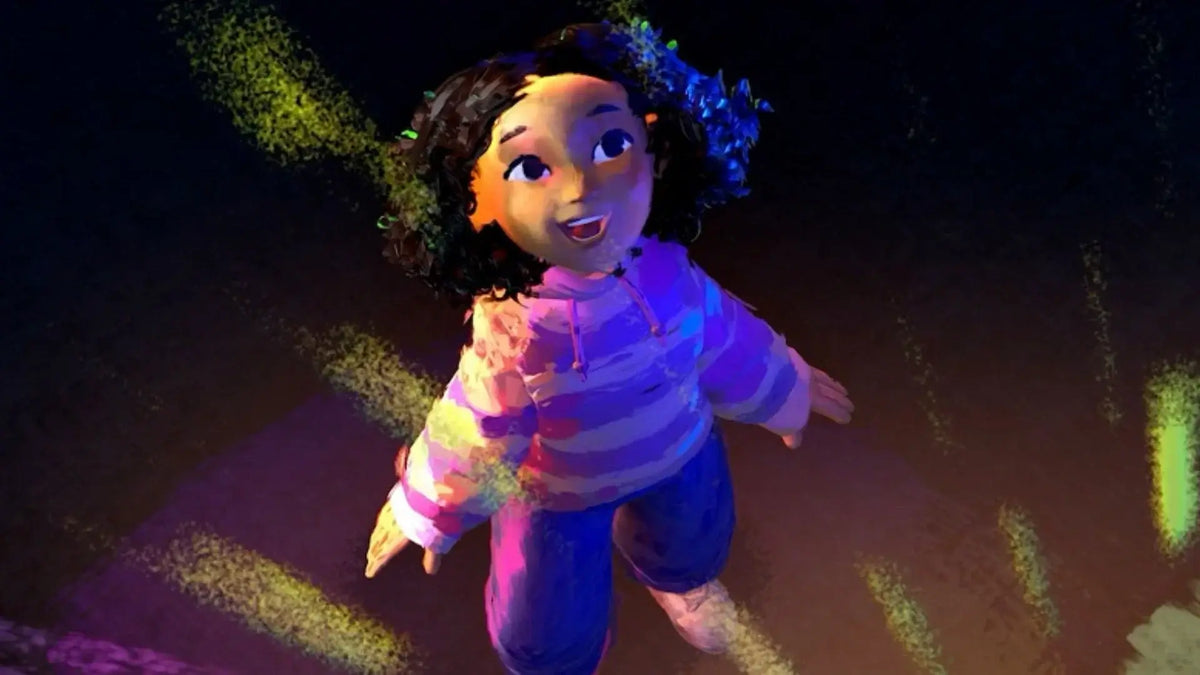
Lola has just learned she is dyslexic. She types her question into the internet. And she falls. Literally.
A dizzying fall begins, followed by a journey she never could have imagined. At the controls, an eccentric inventor with Jeremy Irons' voice. Along her path, Muhammad Ali, Henry Ford, and other figures whom the film presents as dyslexic thinkers. And a director who will prove to her that you don’t need to write to tell stories.
The images abound, overflow, and go in every direction. On purpose. It is the inside of a dyslexic mind coming to life before your eyes.
Eight minutes later, Lola is no longer the same. Perhaps your child won't be either.
Shall we talk about it over some popcorn?
The credits roll. That is when it all begins.
The film says it bluntly: dyslexia is a different way of thinking. With very real difficulties, yes. But also strengths that are discussed too rarely, such as creativity, resourcefulness, or the ability to think big.
So, no lecturing. Just a question—the one Lola ends up asking herself: and what about you, what is your strength?
The answer might surprise you. For many children, it is the first time they are spoken to about their dyslexia as something other than a problem to be solved.
Your turn: help move the right answer to the top
The film is available to watch for free. And your role doesn’t end with the credits. Every share and every comment helps it climb higher on Google. A gesture that takes a few seconds so that the next parent, or the next child, finds an answer that inspires them to move forward.
"Follow your own light, Lola."
That light, in the film, is dyslexia. A unique way of thinking that can lead further than one might imagine.
At Lili for Life, light is also our profession. Our pulsed-light technology helps dyslexic people read with more fluidity and less fatigue. Not to extinguish their difference, but to ensure that nothing prevents it from shining.
That is why we have chosen to join this movement. Our mission, to make reading fluid and effortless for the 700 million people who read differently, goes hand in hand with another fight: changing the way we look at them.
So during these holidays, turn off the screens… except for one, for eight minutes.

