

[fusion_builder_container type="flex" hundred_percent="no" equal_height_columns="no" hide_on_mobile="small-visibility,medium-visibility,large-visibility" background_position="center center" background_repeat="no-repeat" fade="no" background_parallax="none" parallax_speed="0.3" video_aspect_ratio="16:9" video_loop="yes" video_mute="yes" border_style="solid"][fusion_builder_row][fusion_builder_column type="1_1" layout="1_1" background_position="left top" border_style="solid" border_position="all" spacing="yes" background_repeat="no-repeat" margin_top="0px" margin_bottom="26px" animation_speed="0.3" animation_direction="left" hide_on_mobile="small-visibility,medium-visibility,large-visibility" center_content="no" last="true" hover_type="none" background_blend_mode="overlay" first="true" min_height="" link=""][fusion_text]
Dyslexia is often discussed through the lens of school, difficulties, assessments, “remediation,” and administrative paperwork.
But reducing DYS children to “struggling students” means missing something essential:
another way of experiencing the world, of thinking, imagining, and creating.
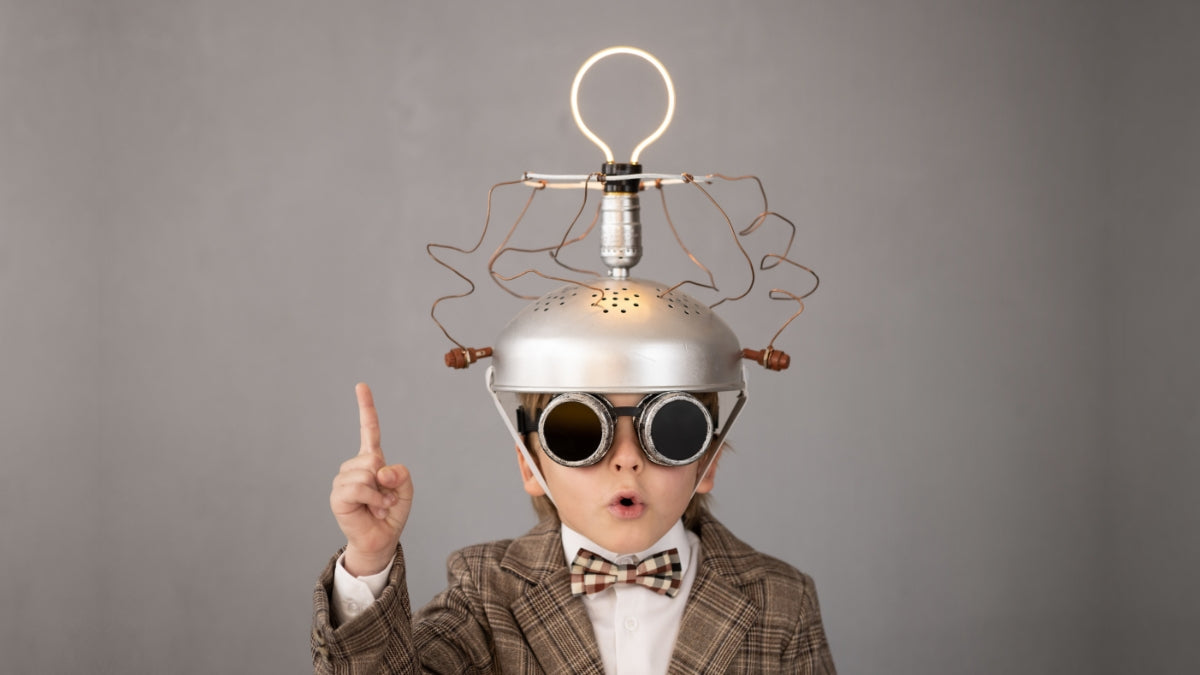
What if what we now call a “disorder” were also, at times, fertile ground for creativity?
What if DYS children were not only children to support… but also artists, inventors, and cultural creators?
Seeing the World Differently: What If It All Started There?
Dyslexia often requires extra effort to navigate a world designed by and for very standardized ways of thinking. Reading, writing, following linear logic — all of this can be challenging. But this “standardized” world is not the only way to think. Many dyslexic people describe:- a strong visual and imaginative way of thinking,
- an ability to make unexpected connections,
- an intuitive relationship with ideas,
- a creativity that emerges precisely because they had to invent their own paths.
When Cognitive Difference Becomes a Creative Engine
To create is, in many ways, to invent another reality. And this creative act is often driven by minds that don’t easily fit into predefined boxes. This “non-linear” thinking, frequently associated with dyslexia, can become:- a narrative strength,
- an artistic energy,
- a way of inventing new forms.
Artists, Inventors, Creators: Their Work Already Carries Their Signature
Cultural history is filled with dyslexic personalities who have deeply influenced how we see, tell stories, and imagine the world. 🎬 Steven Spielberg has spoken openly about his dyslexia, diagnosed in adulthood. He explained how academic struggles pushed him toward visual storytelling and imaginary worlds — leading to films like E.T., Jurassic Park, and Ready Player One, which have shaped our collective imagination. 🎭 Keira Knightley has shared how she developed creative strategies to learn and memorize differently — by drawing, visualizing, and feeling the text — turning constraints into artistic language. 🚀 Richard Branson, founder of Virgin, is often cited as the embodiment of unconventional thinking. His non-linear mindset and ability to bypass norms rather than follow them helped build an empire — but also a highly creative way of engaging with the world. Going further back, some historians have suggested possible dyslexic profiles in figures like Leonardo da Vinci, Picasso, or Rodin — not to create myths, but to highlight how aesthetic innovation often comes from minds that don’t follow straight lines. These figures are not creative despite their dyslexia. They are sometimes creative with it. [/fusion_text][/fusion_builder_column][/fusion_builder_row][/fusion_builder_container][fusion_global id="5949"][fusion_builder_container type="flex" hundred_percent="no" equal_height_columns="no" hide_on_mobile="small-visibility,medium-visibility,large-visibility" background_position="center center" background_repeat="no-repeat" fade="no" background_parallax="none" parallax_speed="0.3" video_aspect_ratio="16:9" video_loop="yes" video_mute="yes" border_style="solid"][fusion_builder_row][fusion_builder_column type="1_1" layout="1_1" background_position="left top" border_style="solid" border_position="all" spacing="yes" background_repeat="no-repeat" margin_top="32px" margin_bottom="26px" animation_speed="0.3" animation_direction="left" hide_on_mobile="small-visibility,medium-visibility,large-visibility" center_content="no" last="true" hover_type="none" background_blend_mode="overlay" first="true" min_height="" link=""][fusion_text]What If Culture Needs Them Now More Than Ever?
We live in a time saturated with:- images,
- formatted content,
- stories that all look alike.
- a different rhythm,
- a unique relationship with language,
- another way of perceiving and structuring reality,
- an almost instinctive boldness to bypass what doesn’t suit them.
Changing the Narrative Means Changing the Future for DYS Children
What happens when a dyslexic child only hears about themselves in terms of “difficulties,” “gaps,” and “delay”? And what would happen if they were also told:- that they can be an inventor,
- an artist,
- a storyteller,
- someone who thinks differently — and whose perspective matters?


Laisser un commentaire
Ce site est protégé par hCaptcha, et la Politique de confidentialité et les Conditions de service de hCaptcha s’appliquent.